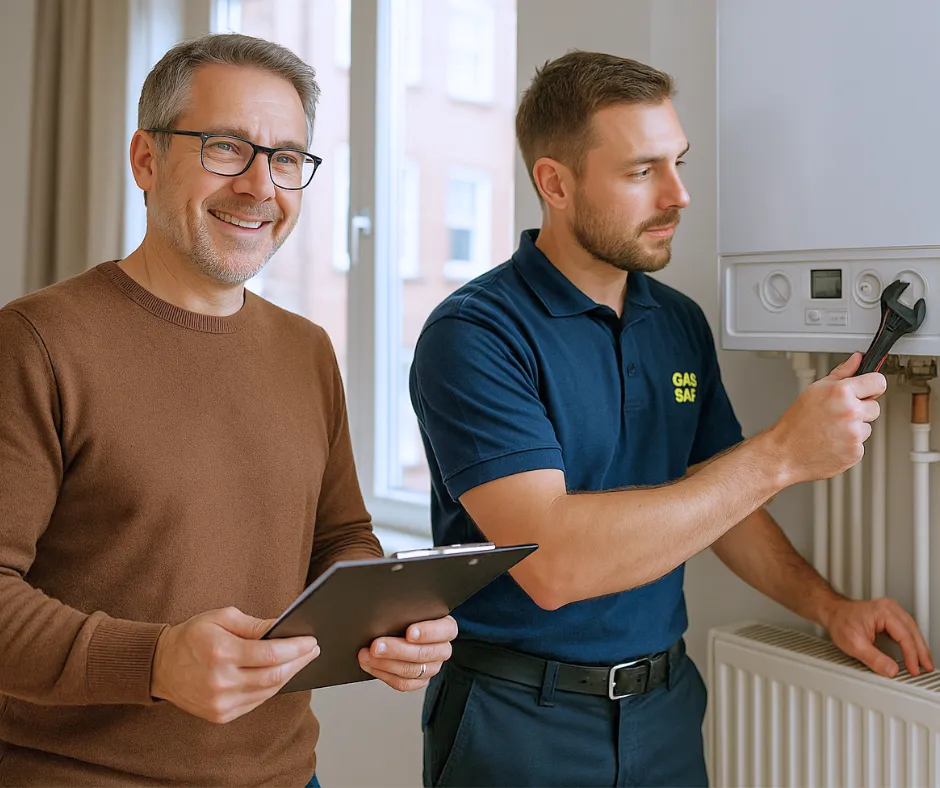
Landlord’s Guide: Heating & Plumbing Responsibilities in Rental Properties
Heating & Plumbing Responsibilities Every Cardiff Landlord Should Know
Owning a rental property comes with a mix of rewards and responsibilities. Among the most important are the heating and plumbing systems, which directly affect your tenants’ safety, comfort, and satisfaction. As a landlord in Cardiff, understanding your legal duties and practical obligations is essential, not only to remain compliant but to maintain a reliable property that attracts long-term tenants.
This comprehensive landlord’s guide explains:
Your legal heating and plumbing responsibilities
What maintenance and inspections are required
When tenants are accountable for damage or misuse
How to handle emergency repairs
Practical tips to prevent costly breakdowns
Whether you’re managing one rental home or multiple properties, this guide helps you stay compliant with the Landlord and Tenant Act 1985, Gas Safety Regulations, and Housing Health and Safety Rating System (HHSRS) while keeping your tenants safe and satisfied.
Understanding Landlord Heating & Plumbing Responsibilities
Landlords have a legal duty to provide and maintain safe, functional heating and plumbing in rental properties. This means the systems must:
Supply adequate hot water and central heating
Be safe and free from health hazards
Operate efficiently and reliably
Be repaired promptly when faults occur
Tenants, meanwhile, are expected to:
Use heating and plumbing systems responsibly
Report faults quickly
Avoid damage due to negligence
Together, these obligations ensure both sides protect the property and maintain a safe living environment.
Key Heating Responsibilities for Landlords
Landlords are required to ensure:
Boiler and central heating systems are installed safely and serviced annually by a Gas Safe registered engineer.
Radiators and thermostatic valves function correctly, allowing tenants to control room temperature.
Hot water systems deliver water safely and consistently.
Ventilation and flues are maintained and unobstructed to prevent carbon monoxide buildup.
Gas appliances are properly maintained and accompanied by valid safety certificates.
Regular maintenance not only prevents accidents but also extends the lifespan of heating systems and keeps energy costs efficient.
Key Plumbing Responsibilities for Landlords
In addition to heating, landlords must ensure plumbing systems are safe and reliable. This includes:
Providing a working water supply to all taps, toilets, and showers.
Ensuring drains, waste pipes, and water storage tanks are functional and clean.
Keeping sanitary installations such as sinks, baths, and toilets in good repair.
Fixing leaks and blockages promptly when reported.
Preventing water pressure issues by maintaining pipes and valves.
Any plumbing failure that affects sanitation, hygiene, or access to clean water must be treated as a priority repair under housing law.
When Are Tenants Responsible?
While landlords carry the main responsibility, tenants also play a role in keeping heating and plumbing systems in good order. Tenants are typically responsible for:
Using heating and plumbing correctly and carefully.
Not blocking toilets or sinks with inappropriate items (wipes, grease, etc.).
Reporting faults immediately to the landlord or agent.
Bleeding radiators only when instructed or trained.
Paying for repairs if damage was caused by misuse or negligence.
A clear tenancy agreement should specify these shared responsibilities to avoid disputes.
Typical Heating and Plumbing Issues in Cardiff Rentals
Common issues landlords face include:
Boiler breakdowns during cold weather
Low water pressure from scale buildup
Leaking taps, pipes, or shower fittings
Blocked drains or toilets
Radiators not heating evenly
Frozen pipes in winter
Prompt attention to these problems is vital — not just for tenant comfort, but to prevent escalating repair costs and potential property damage.
Why Regular Servicing Matters
Annual servicing is both a legal requirement (for gas appliances) and a practical safeguard. A regular inspection by a qualified engineer ensures:
The boiler operates efficiently and safely
Potential leaks or wear are detected early
Warranty coverage remains valid
Energy efficiency remains high
Emergency breakdowns are less likely
For landlords, scheduling yearly servicing — especially before winter — helps maintain compliance and keeps tenants happy.
Recommended Annual Heating & Plumbing Maintenance Checklist
Every landlord should have a structured maintenance plan. Here’s a practical checklist to use:
Heating System Maintenance
Annual boiler service by a Gas Safe registered engineer
Check radiator function and bleed if needed
Inspect thermostats and timer controls
Verify flue and ventilation are clear
Record gas safety certificate and keep copies for tenants
Plumbing System Maintenance
Inspect pipes for leaks, corrosion, or scale
Check all taps, showers, and toilets for functionality
Clean traps and drains to prevent clogs
Insulate exposed pipes to prevent freezing
Verify water pressure levels
Documentation & Communication
Keep maintenance logs and certificates
Inform tenants of servicing schedules
Provide appliance manuals and emergency contact details
A proactive checklist like this reduces long-term costs and ensures compliance with safety regulations.
Landlord’s Duties Under UK Law
In the United Kingdom, landlords are legally obligated to ensure that all heating and plumbing systems are safe, reliable, and suitable for habitation. The main regulations include:
1. The Landlord and Tenant Act 1985
Requires landlords to keep the property’s structure and installations in good repair.
Covers water, gas, electricity, and sanitation systems.
Includes space and water heating systems.
2. The Gas Safety (Installation and Use) Regulations 1998
Mandates an annual gas safety check by a Gas Safe registered engineer.
Landlords must provide tenants with a Gas Safety Certificate (CP12) within 28 days of inspection.
Applies to all gas boilers, heaters, and appliances.
3. The Housing Health and Safety Rating System (HHSRS)
Part of the Housing Act 2004.
Assesses property hazards, including heating failures, leaks, and dampness.
Local authorities can enforce repairs if heating or plumbing poses a health risk.
4. The Homes (Fitness for Human Habitation) Act 2018
Requires landlords to ensure that rented homes are fit for living, which includes adequate heating, water, and sanitation.
Tenants can legally challenge landlords who neglect maintenance.
These laws ensure landlords maintain habitable, safe properties while providing clear standards for compliance.
Gas Safety Requirements for Landlords
As a landlord, you must:
Have all gas appliances and flues checked once a year.
Use only Gas Safe registered engineers for inspections and installations.
Provide a copy of the Gas Safety Record to tenants before move-in.
Keep inspection records for at least two years.
Fix any safety issues immediately — delays can result in heavy fines or legal penalties.
Common gas-related issues to check include:
Boiler ventilation
Carbon monoxide detector functionality
Pipe integrity and pressure levels
Proper flame combustion
Failing to comply with gas safety regulations can lead to serious consequences, including fines, imprisonment, or invalidation of landlord insurance.
Water Supply and Sanitation Standards
A reliable water supply is a fundamental tenant right. Landlords must ensure that:
Cold and hot water is available at all times.
Water tanks and pipes are kept clean, free from rust and leaks.
Sinks, toilets, and showers function properly.
Drainage systems are clear and safe.
There are no plumbing defects that could cause dampness or mould.
If a plumbing failure makes the property unfit for use, the landlord is responsible for immediate repair or providing temporary accommodation.
Responding to Repairs and Emergencies
Tenants are entitled to a safe and working heating and plumbing system at all times. When a problem occurs, landlords must act quickly to prevent inconvenience or damage.
Recommended Response Procedure:
Acknowledge the report immediately.
Tenants should receive confirmation that their complaint was logged.
Assess the severity of the problem.
Is it an emergency (e.g., burst pipe, no heat in winter)?
Or a standard repair (e.g., dripping tap, noisy radiator)?
Prioritise urgent issues.
For example:
No heating or hot water — repair within 24 hours.
Burst pipe or flood — immediate emergency callout.
Slow leaks or dripping taps — within a few days.
Hire a qualified professional.
Always use certified engineers or plumbers for repairs.
Keep tenants informed.
Share expected repair times and safety advice.
Record all communications and work done.
This helps resolve disputes and ensures compliance with recordkeeping laws.
What Counts as an Emergency?
Landlords should define emergency repairs clearly in the tenancy agreement. Common heating and plumbing emergencies include:
Complete boiler breakdown in cold weather
Gas leaks or suspected carbon monoxide leaks
Burst or frozen pipes
Major water leaks causing flooding
Blocked toilets (if it’s the only one in the property)
Sewage backups
Tenants should be instructed to contact the landlord or managing agent immediately in these cases. If it’s outside office hours, landlords should provide an emergency contact number or approved plumbing service, such as KB Heating & Plumbing in Cardiff.
Preventive Maintenance Tips for Landlords
Preventing breakdowns is always cheaper than repairing them. Smart landlords follow a proactive maintenance strategy, including:
Boiler and Heating Tips
Schedule annual boiler servicing before winter.
Bleed radiators to remove trapped air.
Monitor water pressure and reset if low.
Upgrade to an energy-efficient boiler if the system is over 10 years old.
Plumbing System Tips
Check pipes regularly for leaks or corrosion.
Insulate pipes to prevent winter freezing.
Avoid harsh drain cleaners that may damage pipes.
Install pressure regulators where needed.
Tenant Communication
Educate tenants on proper use of heating controls.
Provide instructions for emergency shut-off valves.
Encourage early reporting of small leaks.
Keep emergency contact information visible in the property.
Routine care keeps tenants comfortable and prevents expensive emergency callouts.
Energy Efficiency and Heating Upgrades
Energy efficiency is a growing priority for both tenants and landlords. Upgrading old heating systems can:
Lower energy bills
Increase property value
Improve tenant satisfaction
Meet new UK energy standards
Ways to Improve Energy Efficiency:
Replace older boilers with A-rated condensing models.
Install smart thermostats and programmable controls.
Seal windows and insulate lofts.
Use thermostatic radiator valves (TRVs) for better temperature control.
Conduct an Energy Performance Certificate (EPC) assessment regularly.
Since April 2020, landlords must ensure their rental properties have an EPC rating of at least E, making heating efficiency not only smart but legally essential.
Tenant Rights and Responsibilities
While landlords carry the main legal responsibility, tenants also have clear duties to maintain a functional and safe property environment. Understanding these mutual roles reduces conflict and improves property upkeep.
Tenants are responsible for:
Keeping the property clean and ventilated to avoid condensation and dampness.
Using heating and plumbing safely and properly.
Reporting problems as soon as they occur to prevent further damage.
Avoiding negligence, such as flushing inappropriate items or pouring grease into drains.
Allowing access for repairs, inspections, and safety checks after reasonable notice.
If tenants fail to fulfil these responsibilities, landlords may deduct repair costs from the security deposit — provided the damage was clearly due to misuse or neglect.
Landlord Access for Maintenance and Inspections
Landlords cannot enter a rental property without giving notice, even for repairs. The standard notice period is at least 24 hours, and visits should take place during reasonable hours (usually daytime).
Access is legally permitted for:
Gas and electrical safety inspections
Boiler servicing
Plumbing and heating maintenance
Repairs required for safety or habitability
If a tenant unreasonably denies access, landlords should document the situation and send written reminders. Maintaining professional communication helps protect both sides in case of disputes.
Record-Keeping and Documentation
Accurate documentation protects landlords from legal issues and provides a clear history of maintenance compliance. Important records include:
Gas Safety Certificates (CP12 forms)
Boiler service invoices and inspection reports
Electrical Installation Condition Reports (EICRs)
Tenant communication logs and maintenance requests
Property condition photos before and after repairs
Keep all these documents safely stored, either digitally or in printed form, for at least two years. They can serve as essential evidence in legal or insurance matters.
When to Hire Professionals
Although minor maintenance tasks can sometimes be handled by landlords, most heating and plumbing work requires certified professionals for safety and legal compliance.
Situations requiring a professional include:
Boiler installation, replacement, or repair
Gas appliance servicing
Pipe replacement or soldering
Major leaks, floods, or water damage
Central heating system failures
Drain unblocking involving sewage
Working with qualified experts like KB Heating & Plumbing in Cardiff ensures repairs are completed safely and meet all UK Gas Safe and Water Regulations Advisory Scheme (WRAS) standards.
Educating Tenants About Heating and Plumbing
Proactive education reduces repair calls and improves property care. When tenants move in, consider providing a welcome maintenance guide including:
How to operate the heating and thermostat
How to turn off the water supply in an emergency
Basic boiler reset instructions
Tips for preventing frozen pipes
What to do if a leak occurs
Contact details for emergency repairs
Encouraging communication and education fosters better tenant relationships and keeps the property in excellent condition year-round.
Handling Disputes Over Repairs
Even with good communication, disputes between landlords and tenants may arise. Common disagreements involve:
Responsibility for repair costs
Delays in fixing heating or plumbing issues
Access refusals for inspections
Compensation claims for loss of heating or hot water
Steps to resolve disputes effectively:
Refer to the tenancy agreement — most disputes are covered there.
Communicate in writing to create a clear record.
Attempt mediation through the letting agent or a third party.
Seek local council assistance if health or safety is compromised.
Consult legal advice if no agreement can be reached.
Open dialogue and documented evidence usually prevent minor issues from escalating into legal battles.
Why Choose a Local Cardiff Heating & Plumbing Specialist
For Cardiff landlords, choosing a local expert like KB Heating & Plumbing offers major benefits:
Faster response times for emergencies.
In-depth knowledge of local regulations and housing standards.
Reliable, Gas Safe–certified engineers.
Consistent servicing and maintenance plans designed for landlords.
Transparent pricing with no hidden costs.
Working with a trusted local company ensures compliance, reduces downtime, and keeps tenants satisfied — all while protecting your investment property.
Top Takeaways for Cardiff Landlords
To recap the essentials of this landlord’s guide on heating and plumbing responsibilities in rental properties, remember:
You are legally responsible for providing safe heating and plumbing.
Tenants must use systems properly and report faults quickly.
Schedule annual boiler servicing by a Gas Safe engineer.
Maintain records and certificates for every inspection.
Prioritise emergency repairs within 24 hours when heating or hot water fails.
Encourage communication and provide clear instructions for tenants.
Use qualified local professionals for installations and repairs.
Keep your property energy-efficient and legally compliant with EPC standards.
Staying proactive protects your property, keeps tenants happy, and avoids costly legal issues.
Final Thoughts
Heating and plumbing form the backbone of every comfortable, habitable home. As a landlord, understanding your responsibilities and working with trusted professionals ensures that your rental properties remain safe, compliant, and appealing to tenants.
At KB Heating & Plumbing, we proudly help landlords across Cardiff manage their heating and plumbing systems efficiently. From annual boiler servicing to emergency plumbing repairs, our certified engineers provide reliable, professional service designed to protect both your property and your peace of mind.
If you’re a landlord seeking expert assistance, contact KB Heating & Plumbing Cardiff today for advice, maintenance plans, or emergency support.
