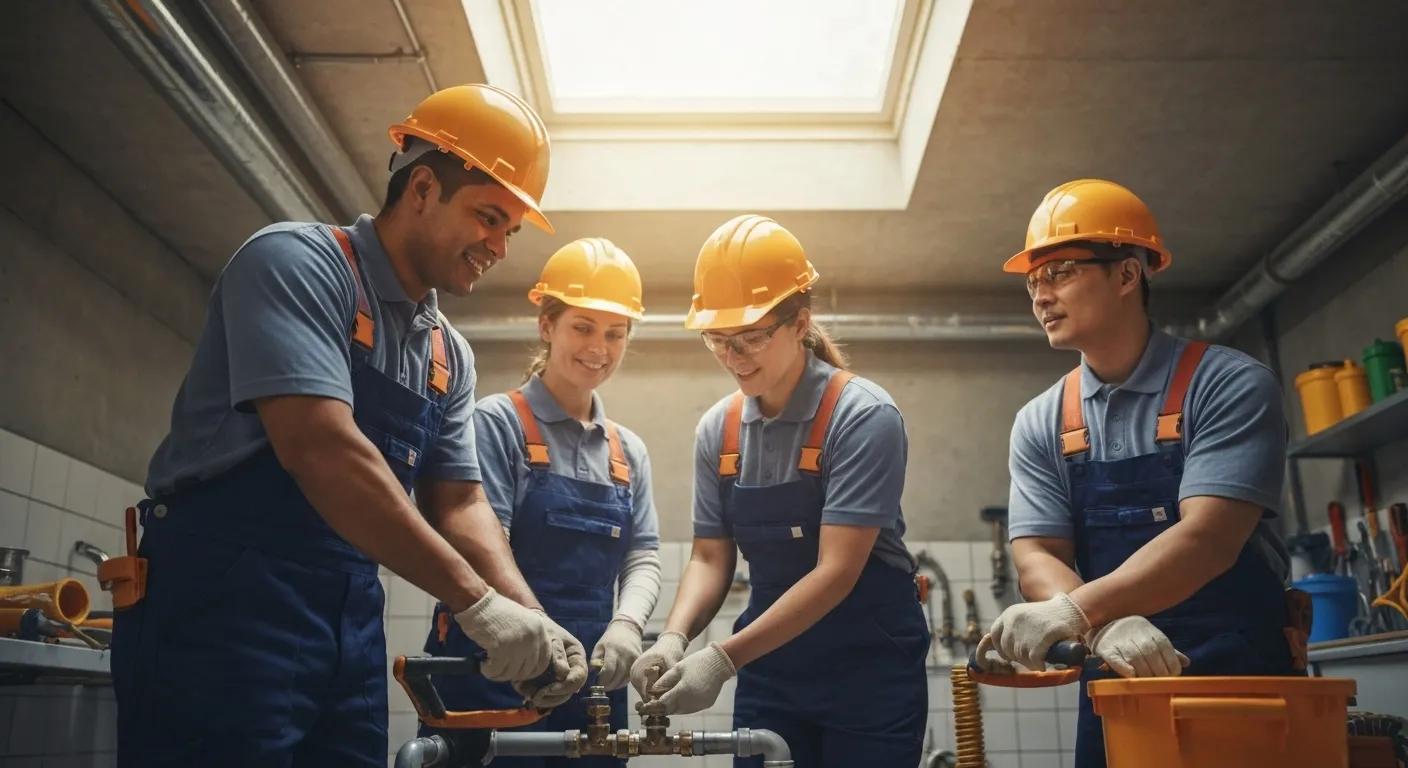
Plumber Near Me: Essential Maintenance Tips for Homeowners
Plumber Near Me: Essential Maintenance Tips for Homeowners in Cardiff and Surrounding Areas
Home plumbing issues can quickly turn a normal day into an expensive emergency. Homeowners searching for a "plumber near me" need practical, local advice to keep things running smoothly. This guide covers essential maintenance tasks, how to handle emergencies, boiler care, drain management, winter protection, and how to arrange regular servicing with local experts. By following simple DIY steps, seasonal checks, and clear decision rules, you'll reduce the risk of burst pipes, persistent blockages, and inefficient boilers, all while protecting your home's safety and value. KB Heating & Plumbing is your local, Gas Safe registered professional for emergency plumbing services and boiler installation and repair, helping you translate maintenance decisions into reliable local support. This guide is structured into key sections: top maintenance tasks, when to call an emergency plumber in Cardiff, boiler safety and efficiency, drain prevention and fixes, winter protection, a rundown of services KB Heating & Plumbing offers, and how to schedule routine maintenance. Read on for step-by-step checklists, decision tables, and practical lists designed to make your "plumber near me Cardiff" searches lead to confident homeowner action.
What Are the Most Important Plumbing Maintenance Tasks for Homeowners?
Routine plumbing maintenance focuses on preventing leaks, keeping drains clear, servicing boilers, protecting pipes in winter, and caring for water heaters to extend their lifespan and cut down on emergency costs. The principle is simple: regular checks and small fixes stop minor problems from becoming major failures that cause flooding, contamination, or loss of heating. Performing these tasks improves safety, lowers running costs, and preserves your appliances. The following ordered checklist highlights the most impactful tasks homeowners should schedule or perform themselves to keep their property resilient.
This maintenance checklist summarises essential actions and prepares you for the detailed how-to sections that follow.
Regular visual leak checks and water meter tests to spot hidden leaks.
Drain care and safe unblocking routines to prevent build-up and odours.
Annual boiler service and pressure checks for safe, efficient heating.
Pipe insulation and stop-tap familiarisation to avoid winter freezes.
Water heater flushing and pressure-relief valve checks to extend its life.
These tasks work together to create a preventive maintenance programme that reduces the likelihood of plumbing emergencies and the need to call a professional immediately.
How Can You Detect and Fix Common Leaks at Home?
Catching leaks early prevents water damage and saves money by addressing small faults before they escalate. Look for visual signs like damp patches on walls or ceilings, peeling paint, persistent mould, or unexplained increases in your water bills. A simple water meter test can identify hidden leaks by checking if the meter moves while all taps are turned off. DIY fixes include tightening loose fittings, replacing worn tap washers, and temporarily resealing small visible pinholes with appropriate plumbing tape. If a leak is behind a wall, within ceiling structures, or your meter test indicates continuous flow, it’s time to call a professional, as concealed leaks can compromise structural integrity.
Understanding when to call a pro naturally leads into practical drain management and unblocking approaches that complement leak prevention.
What Are Effective DIY Drain Unblocking Tips for Homeowners?
Safe DIY drain care helps prevent recurring blockages and keeps wastewater flowing without resorting to harsh chemicals. Start by removing visible debris and using a plunger or a manual drain snake for simple blockages. You can then try a staged natural method with baking soda and vinegar, followed by hot water, to clear organic build-up. Avoid pouring strong chemical drain cleaners down domestic traps. Regularly cleaning the U-bend (trap) under sinks and installing strainers for hair and food scraps prevents common clogs. Promptly removing grease from cookware before washing also reduces kitchen blockages. If a drain repeatedly backs up, emits a sewage odour, or slow drainage persists after these steps, a professional inspection is wise, as deeper blockages or sewer-line issues may be present.
These DIY drain measures support broader maintenance routines, and the next section explains recommended boiler servicing intervals and what a service entails.
How Often Should You Service Your Boiler and What Does It Involve?
An annual boiler service by a registered engineer is crucial for safe, efficient heating and is recommended to maintain warranty and compliance where applicable. During a service, an engineer inspects combustion safety, checks seals and valves, examines the flue and ventilation, tests controls and thermostats, and cleans internal components as needed to restore optimal function. Regular servicing reduces the risk of carbon monoxide poisoning, improves fuel efficiency, and identifies wear that could lead to sudden failure, which is particularly important before the winter heating season. Homeowners should keep service documentation and verify that the engineer is Gas Safe registered when dealing with gas appliances.
Knowing how to monitor boiler pressure and adjust basic settings complements scheduling formal service visits for long-term protection.
How Can You Prevent Burst Pipes During Winter Months?
Preventing burst pipes involves insulating vulnerable pipe runs, maintaining background heating during cold spells, and avoiding sudden thermostat drops that can lead to freeze-thaw damage. Apply appropriate pipe lagging to exposed pipes in lofts, basements, and external walls. Keep loft hatches closed to retain heat where pipes are nearby, and allow a slow drip from taps during sub-zero conditions to keep water moving. Test and ensure your stop tap is accessible so you can quickly isolate the supply if freezing causes a leak. Consider adding insulation around bends and valves, which are more susceptible to cold. If freezing is suspected, safely warm the pipes and contact a professional if cracking or leakage appears to arrange a repair and prevent wider damage.
These winterisation techniques link directly to water heater maintenance tasks that help extend appliance lifespan.
What Are Essential Water Heater Maintenance Tips to Extend Lifespan?
Water heaters benefit from periodic flushing to remove sediment, checking the pressure-relief valve for proper operation, and inspecting visible connections for corrosion or leaks. Flushing removes scale that causes inefficient heating and premature element failure, typically performed annually. Homeowners should follow manufacturer guidance or engage a technician for pressurised systems. Inspect sacrificial anodes where fitted and monitor for rusty water or reduced hot-water output as early indicators of corrosion; early intervention can prevent tank replacement. When signs of significant deterioration, persistent leakage, or compromised safety valves appear, book a professional inspection to evaluate repair versus replacement options.
Having a robust water heater routine completes the core homeowner maintenance tasks and prepares you to understand emergency thresholds that require a prompt plumber call.
When Should You Call an Emergency Plumber in Cardiff?
An emergency plumber is necessary when a plumbing issue presents an immediate risk to safety, property, or essential services; prompt professional action arrests damage and restores safety. Typical emergencies include major leaks causing rapid flooding, sewage backups, loss of heating in cold weather, and any suspected gas leaks related to appliances. Homeowners should take immediate safety actions—isolate water at the stop tap, ventilate areas with a gas smell, and evacuate if needed—and then contact a local emergency plumbing service. The EAV decision table below helps triage common issues, shows DIY mitigations, and indicates when to call a professional, with indicative typical UK cost ranges for urgent call-outs to aid planning.
Use the table to identify urgency and next steps quickly; the following paragraphs expand on signs, costs, and the importance of Gas Safe registration.
Issue
Urgency Level
DIY Steps
When to Call Pro
Typical Cost Range (UK)
Major leak / flooding
High
Isolate water, move valuables, use towels
Call emergency plumber immediately
Indicative call-out £50–£150; hourly £50–£90
Sewage backup
High
Avoid use, ventilate, contain spill
Call pro for safe removal and repair
Indicative specialist fees from £100+
No heating in winter
High
Check boiler pressure, reset controls
Call if pressure low or persistent outage
Emergency call-out plus parts typically £75–£200+
Suspected gas leak
Critical
Evacuate, ventilate, do not operate electricals
Call Gas Safe registered engineer and emergency services
Costs vary; safety priority over price
This table clarifies rapid decisions; next we list unmistakable warning signs that demand immediate plumbing repairs.
Emergency indicators that require immediate professional help include rapid or uncontrolled leaks, sewage ingress, strong gas odour, and total loss of heating during freezing conditions.
Each sign indicates failure modes with safety implications such as structural water damage, health hazards from sewage, carbon monoxide risk, or burst pipes that quickly escalate.
Homeowners should prioritise isolating services and contacting an emergency plumber if any high-risk sign is present rather than attempting extensive DIY.
Recognising these signals leads into a cost discussion so homeowners can set expectations for emergency pricing and value.
What Are the Signs You Need Immediate Plumbing Repairs?
Immediate plumbing intervention is required when damage is ongoing, health is at risk, or primary systems fail; common signs include rapidly spreading water, visible pipe bursts, persistent sewer odour, or the unmistakable rotten-egg smell of gas. On detecting these, first isolate the water supply using the stop tap, turn off electrical appliances in wet areas, and ventilate spaces while keeping occupants safely away from suspected gas. Temporary mitigation—such as using buckets to limit spread—helps short-term but does not replace professional repairs that address root causes and ensure safety. Prompt professional response limits structural damage and health risks, and professionals can provide temporary repairs that make long-term recovery quicker.
Understanding costs for these responses helps set expectations before you call for help.
How Much Does an Emergency Plumber Cost in Cardiff and the UK?
Emergency plumbing prices vary with the time of call, severity, required parts, and travel; indicative UK emergency call-out fees commonly range from around £50 to £150, with hourly rates frequently between £50 and £90. Complex jobs or after-hours service can exceed these ranges. Cost drivers include labour time, the complexity of locating and accessing concealed faults, parts and materials, as well as specialist interventions like drain jetting or sewer repairs. Homeowners should request an upfront estimate, ask about call-out and labour breakdowns, and compare quoted actions rather than only price to avoid poor-value quick fixes. Keeping documentation of the problem and providing clear photos or descriptions when contacting an emergency service speeds triage and produces more accurate quotes.
Given safety concerns, the next section describes why Gas Safe registration matters for gas-related emergencies.
Why Is It Important to Use Gas Safe Registered Engineers for Emergency Repairs?
Gas Safe registration identifies engineers who are qualified to work legally and safely on gas appliances; the registration exists to prevent carbon monoxide poisoning, fires, and illegal or unsafe repairs. Using a Gas Safe registered engineer means the professional has recognised competence and is authorised to work legally and safely on gas appliances. If a gas appliance is suspected to be the source of leaks or malfunction, homeowners should prioritise a registered engineer because unqualified work can invalidate insurance and create serious hazards. Always ask to confirm an engineer’s registration details and that gas-related work will be completed within regulatory safety standards.
Knowing emergency thresholds and certifications frames the maintenance cycle; the next major section covers detailed boiler maintenance for safety and efficiency.
How Can Homeowners Maintain Their Boilers for Safety and Efficiency?
Maintaining a boiler combines scheduled servicing, routine user checks, and targeted insulation or control upgrades to keep systems safe and minimise fuel use. The mechanism involves detecting early wear, ensuring combustion safety, keeping pressure within manufacturer ranges, and reducing heat loss through insulation and controls. Regular attention reduces breakdown risk, improves comfort, and lowers running costs, while professional servicing keeps safety documentation up to date. Below is a compact annual-service EAV-style table to guide homeowner expectations and to complement the checklist that follows.
Generating image...
Maintenance Task
Frequency
Tools/Checks
Benefit (Safety/Efficiency)
Full boiler service
Annually
Engineer inspection, combustion test
Ensures safety, maintains efficiency
Pressure check
Monthly
Visual gauge reading
Prevents shutdowns and low-efficiency operation
Flue and vent check
Annually
Visual and combustion assessment
Reduces carbon monoxide risk
Pipe lagging and insulation
As needed
Insulation kit, cylinder jacket
Reduces heat loss and energy bills
This table shows how scheduled tasks map to safety and efficiency outcomes; the subsections below expand on checklist items, pressure checks, and insulation benefits.
What Is Included in an Annual Boiler Service Checklist in the UK?
A standard annual boiler service typically includes inspection of combustion efficiency, flue and ventilation checks, examination of seals and valves, cleaning accessible components, testing controls and safety devices, and recording results in service documentation. An engineer will measure combustion gases where appropriate to confirm safe operation, replace minor consumables when required, and advise on any emergent faults that threaten performance. The safety outcome is reduced risk of carbon monoxide incidents and better long-term reliability, while efficiency gains lower energy bills and carbon footprint. Homeowners should ensure they receive clear paperwork confirming service completion and any recommended follow-up actions.
How Do You Check Boiler Pressure and When to Adjust It?
Boiler pressure is read from the pressure gauge typically located on the front of the unit; the normal operating pressure for many domestic boilers is around 1.0–1.5 bar when cold and slightly higher when heating. To check, visually inspect the gauge monthly. If pressure is low, follow manufacturer instructions to repressurise using the filling loop—only if you are comfortable doing so and after consulting documentation. If the system frequently loses pressure or shows high/low extremes, this may indicate leaks or internal faults that require an engineer rather than repeated DIY adjustments. Persistent pressure problems are a symptom of deeper issues and warrant professional diagnostics to avoid damage.
Why Is Boiler Insulation Important for Energy Savings?
Boiler and pipe insulation reduces conductive heat loss from hot surfaces to cooler spaces, retaining more energy within the heating system and shortening cycle times to reach comfortable temperatures. Practical measures include lagging accessible hot-water pipes, using cylinder jackets for hot-water storage tanks, and ensuring loft or basement areas where pipes pass are adequately insulated. These interventions lower fuel consumption, reduce wear from frequent cycling, and typically provide a rapid return on investment through energy bill reductions. When combined with thermostat optimisation and periodic servicing, insulation helps maintain heating system efficiency across seasons.
Improved boiler care and insulation feed into effective drain and waste-water management practices covered next.
What Are the Best Practices to Prevent and Manage Drain Blockages at Home?
Preventing and managing drain blockages depends on identifying common causes, applying safe unblocking methods, and escalating to professional services when blockages are deep or recurrent. The mechanism is straightforward: intercept debris at points of entry, remove accumulations before they harden, and avoid chemical methods that damage pipes and the environment. The following list identifies common causes and signals to diagnose the location and nature of blockages so homeowners can respond effectively.
Kitchen clogs typically arise from grease, food waste, and coffee grounds, while bathroom clogs are often hair, soap residue, and cosmetic solids.
Symptoms include slow drainage, gurgling sounds, and unpleasant odours which help narrow down whether the issue is local to a fixture or deeper in the stack.
Early action—clearing strainers, using plungers, and cleaning traps—prevents escalation and reduces the need for professional jetting or camera inspection.
Below is a step-by-step natural unblocking method and guidance on when you should call a professional.
How Do You Identify Common Causes of Drain Clogs in Kitchens and Bathrooms?
Identifying the cause starts with observing symptoms: slow sink drainage and localised gurgling often indicate trap-level or sink-line clogs, while multiple blocked fixtures suggest a shared stack or sewer issue. Visual inspection of strainers and U-bends can reveal hair and grease build-up, and using a bucket to catch water after removing the trap confirms whether the blockage is in the immediate fixture. Persistent odour or repeated problems after cleaning traps point towards deeper pipe or sewer issues and merit professional diagnosis. Narrowing the likely cause enables the selection of the appropriate DIY remedy or when to escalate to specialist services.
How to Use Natural Solutions Like Baking Soda and Vinegar to Unblock Drains?
A natural unblocking process uses baking soda and vinegar to loosen organic build-up without harsh chemicals: first, pour boiling water into the drain, add about half a cup of bicarbonate of soda, follow with half a cup of white vinegar, cover the drain for 10–20 minutes, then flush with boiling water. This creates a foaming reaction that dislodges grease and organic residue; repeat once if needed and avoid using this method if chemical cleaners were previously applied because reactions can be dangerous. For clogs in traps, removing and manually cleaning the U-bend is often more effective and quicker than waiting for chemical reactions. If natural methods fail or the blockage recurs, a professional using a drain camera or high-pressure jetting will be necessary.
DIY Drain Unblocking Using Sodium Bicarbonate and Acetic Acid To clear a blocked drain, introduce a quantity of sodium bicarbonate into the drain followed by 120 ml of acetic acid. The Dynamic Duo: Vinegar and Baking Soda Two-Volume Set, 2016
When Should You Call a Professional for Drain Unblocking Services?
Call a professional when blockages persist after safe DIY attempts, affect multiple fixtures, produce sewage backup, or emit persistent foul odours—these indicate deep or structural issues beyond simple home remedies. Professionals use diagnostic cameras to locate the blockage and high-pressure jetting or mechanical rodding to clear large-scale obstructions safely, and they can assess whether pipe repairs or replacement are required. Cost and urgency depend on access, location, and whether sewer repair is needed, but avoiding delay prevents property damage and hygiene hazards. If drainage problems are recurring, schedule a professional inspection to identify root causes rather than repeatedly applying stopgap fixes.
Effective drain practices combined with winter protection reduce the overall risk of emergency plumbing incidents, which the next section addresses.
How Can You Protect Your Home Plumbing from Winter Damage?
Winter protection uses insulation, controlled heating, and preparedness to prevent freezing pipes and burst failures that cause major water damage. The mechanism is to maintain water in a liquid state within pipes, reduce thermal bridging, and ensure rapid isolation if freezing leads to leaks. Prioritise insulating exposed pipework, know the stop tap location, and have an emergency plan that includes temporary mitigation and contact for urgent repairs. The subsections below explain insulation techniques, locating and testing the stop tap, and immediate steps to take if a pipe bursts.
The guidance below arms homeowners with practical prevention and emergency response measures to limit damage.
What Are the Best Pipe Insulation Techniques to Avoid Freezing?
Effective pipe insulation uses closed-cell foam or tubular lagging sized to the pipe diameter and fitted snugly to avoid air gaps; prioritise pipes in unheated lofts, garages, crawl spaces, and external walls. For hot-water pipes, use lagging with suitable thickness to reduce heat loss, and consider insulating bends and valve bodies which are more exposed to cold. Installation is typically a straightforward DIY job for accessible runs, but complex or concealed pipework may need a professional to avoid disrupting finishes. Insulation not only prevents freezing but improves system efficiency, which reduces heating costs over the season.
How Do You Locate and Use Your Stop Tap in an Emergency?
The stop tap is usually found where the supply enters the property, commonly in a utility area, under kitchen sinks, or near the water meter; locate it, familiarise yourself with its operation, and ensure it turns freely. Test the stop tap periodically by briefly turning it off and on while checking downstream taps to confirm isolation works as expected; perform tests during dry weather to minimise risk. If the stop tap is stiff, leaking, or inaccessible, arrange professional attention because a stuck isolation valve can prevent effective emergency response. Being able to isolate water rapidly reduces flood spread and buys time to arrange repairs, which connects directly to burst pipe emergency steps.
What Steps Should You Take If a Pipe Bursts in Your Home?
Immediately isolate the water at the stop tap, turn off central heating and electrical supplies in affected areas, and move belongings away from flooding to reduce damage. Use buckets and towels to contain water, open doors to ventilate, and document damage for insurer records; avoid working near electrical fittings while areas are wet. For temporary repairs, apply plumbing tape or an emergency clamp to reduce flow, but understand such fixes are provisional and professional repair is required as soon as possible. After stabilising the situation, contact an emergency plumber for permanent repair and liaise with insurers to manage restoration and potential water-damage mitigation.
With winter protection and emergency response clear, the next section summarises the local services KB Heating & Plumbing offers to support homeowners.
What Local Plumbing Services Does KB Heating & Plumbing Offer to Homeowners?
KB Heating & Plumbing provides a local suite of services designed for homeowners and landlords in Cardiff and surrounding areas, covering emergency plumbing services, boiler installation and repair, central heating services, radiator installations and repairs, and gas safety certificates. These services combine on-call emergency response with scheduled installation and maintenance work to keep heating and plumbing systems safe and efficient. KB Heating & Plumbing emphasises Gas Safe registered engineers and fast local response for emergency call-outs, providing a professional complement to the homeowner maintenance actions described above. The table below summarises service offerings, brief descriptions, typical areas served, and indicative pricing guidance to help homeowners choose the right service.
Service
Brief Description
Area Served
Typical Price Range / Offer
Emergency plumbing services
Rapid response for leaks, bursts, and urgent failures
Cardiff and surrounding areas
Indicative emergency call-out fees apply
Boiler installation and repair
New boiler installs, fault diagnosis, and component replacement
Cardiff, St. Austell and nearby locations
Quotes available on request for installs and repairs
Central heating services
System commissioning, balancing, and efficient heating solutions
Local districts around Cardiff
Service and repair pricing varies by scope
Radiator installations and repairs
Radiator replacement, bleeding, and panel repairs
Local coverage areas
Competitive local rates for installations
Gas safety certificates
Safety checks and certification for gas appliances and landlords
Cardiff area
Certificates issued after inspection
This summary aligns the homeowner maintenance advice with practical local services; the H3 subsections below describe response workflow, boiler work, and gas safety certification in more detail.
How Does KB Heating & Plumbing Provide Fast Emergency Plumbing in Cardiff?
KB Heating & Plumbing operates with a local-response focus designed to triage and mitigate urgent plumbing faults quickly: on call, an initial assessment identifies immediate safety risks, temporary measures are applied to limit damage, and permanent repairs are scheduled. Engineers arriving on site perform safety checks, isolate systems where necessary, and provide a clear explanation of remedial steps and follow-up actions. For homeowners, having a nearby emergency provider reduces travel time and accelerates recovery from floods, leaks, or heating loss in cold weather. To request emergency assistance, homeowners should give a concise description of the fault, location, and any immediate safety concerns when contacting the service.
What Boiler Installation and Repair Services Are Available Locally?
Boiler installation and repair services include assessing current systems, recommending suitable replacement models or repair pathways, completing installations to required standards, and providing post-service testing and documentation. Repair work covers diagnostics, replacement of worn components, and commissioning to restore safe operation, while installation projects involve system design, correct sizing, and aftercare checks. KB Heating & Plumbing highlights the importance of Gas Safe registered engineers for gas work to ensure compliance and safety on completion. Homeowners should request detailed quotations and service records after any boiler work to maintain appliances effectively.
How Can You Get a Gas Safety Certificate for Your Home or Rental Property?
A Gas Safety Certificate is issued after an inspection confirms gas appliances are safe and operating correctly; landlords and owners arrange an appointment, the engineer conducts checks, and provides documentation confirming compliance. The process typically involves testing burners, checking flues and ventilation, and verifying appliance efficiency and safety devices; on completion, the homeowner receives written confirmation and recommended actions if issues are found. KB Heating & Plumbing can perform these inspections as part of their service offering and issue the required certification following a successful check. Timely certification ensures legal compliance for rentals and peace of mind for homeowners regarding gas appliance safety.
Having local service options supports a preventative maintenance schedule, which we describe in the final section.
How Can Homeowners Schedule Regular Plumbing Maintenance with KB Heating & Plumbing?
Scheduling regular maintenance combines the preventive actions outlined earlier with professional inspection plans to reduce emergencies and extend system life. Regular plans include annual boiler servicing, periodic central heating checks, scheduled radiator maintenance, and ad-hoc emergency cover that together reduce long-term repair costs and increase reliability. Homeowners who plan maintenance find fewer sudden failures, benefit from efficiency improvements, and can prioritise upgrades at manageable intervals rather than reactive fixes. The paragraphs below explain benefits, how to contact KB Heating & Plumbing for quotes or emergency services, and the role of customer reviews in assessing local providers.
A proactive maintenance approach both reduces disruption and makes budgeting easier for homeowners.
What Are the Benefits of Scheduling Preventative Plumbing Maintenance?
Preventative maintenance reduces unexpected downtime, lowers the likelihood of expensive emergency repairs, and extends the operational life of boilers, radiators, and water heaters. By addressing wear early, homeowners avoid structural water damage, improve safety, and often see improved energy efficiency that reduces utility bills. Scheduling regular inspections also helps prioritise replacements before failure and provides documented service history that is valuable for rental compliance or resale. Quantifying these benefits shows that modest annual servicing often offsets the far higher costs associated with flood repairs or emergency component replacement.
How to Contact KB Heating & Plumbing for Quotes or Emergency Services?
To request a quote or emergency assistance from KB Heating & Plumbing, prepare a brief description of the issue, note any visible symptoms, and have your address and availability ready when calling their local phone number. Typical useful details include which fixtures are affected, whether heating is working, and whether any warning signs (gas smell, sewage) are present; this helps the team triage and advise on immediate safety actions. KB Heating & Plumbing can be contacted by phone for rapid advice and to arrange visits, and homeowners should ask about Gas Safe registration and expected response times when booking. Having this information ready speeds diagnosis and ensures the right resources are dispatched.
What Customer Reviews and Testimonials Support KB Heating & Plumbing’s Expertise?
Customer feedback offers practical insight into response times, workmanship, and professionalism, and homeowners should consult recent reviews on local business profiles when evaluating providers. Summaries of past local case studies—such as emergency leak responses or complex boiler replacements—help illustrate typical workflows and outcomes, while review trends highlight strengths like reliability or clear communication. KB Heating & Plumbing’s local reputation and Gas Safe registration are trust signals homeowners should consider alongside written reviews when making contact. Combining maintenance advice with verified service experience assures homeowners that preventive steps and emergency support are available locally.
This completes the structured maintenance, emergency, and local service guidance for homeowners in Cardiff and surrounding areas.
Frequently Asked Questions
What should I do if I suspect a gas leak in my home?
If you suspect a gas leak, it is crucial to act immediately. Evacuate all occupants from the premises and avoid using any electrical devices, including light switches, as they could ignite the gas. Open windows and doors to ventilate the area, and then contact a Gas Safe registered engineer or emergency services for assistance. Do not attempt to locate the leak yourself, as this can be dangerous. Prioritising safety is essential in these situations.
How can I improve the efficiency of my plumbing system?
Improving plumbing efficiency can be achieved through regular maintenance and upgrades. Start by ensuring all fixtures are leak-free and consider installing low-flow taps and showerheads to reduce water usage. Insulating pipes can prevent heat loss, while regular boiler servicing ensures optimal performance. Additionally, consider upgrading to energy-efficient appliances, which can significantly lower water and energy bills. Implementing these measures not only conserves resources but also enhances the overall efficiency of your plumbing system.
What are the benefits of using a local plumber versus a national chain?
Choosing a local plumber offers several advantages over national chains. Local plumbers often provide personalised service, understanding the specific needs of the community and building relationships with their clients. They are typically more responsive to emergencies and can offer quicker service due to their proximity. Additionally, local businesses often rely on word-of-mouth referrals, motivating them to maintain high standards of quality and customer satisfaction. Supporting local tradespeople also contributes to the local economy.
How can I prepare my plumbing for a long absence, such as a holiday?
Preparing your plumbing for an extended absence involves several key steps. First, turn off the main water supply to prevent leaks or bursts. Drain all pipes by flushing toilets and running taps until empty. Consider adding antifreeze to traps in sinks and toilets to prevent freezing in colder months. Additionally, ensure that your heating system is set to a low temperature to avoid freezing pipes. Inform a trusted neighbour or friend about your absence, so they can check on your property if needed.
What are the signs that my water heater needs replacement?
Several signs indicate that your water heater may need replacement. Look for persistent leaks around the unit, unusual noises such as rumbling or popping, and a decrease in hot water supply. If you notice rusty or discoloured water, it may indicate corrosion inside the tank. Additionally, if your water heater is over 10-15 years old, it may be nearing the end of its lifespan. Regular maintenance can extend its life, but if these signs are present, consider consulting a professional for an assessment.
How can I ensure my plumbing is safe for children and pets?
To ensure your plumbing is safe for children and pets, start by securing all accessible pipes and fixtures. Use childproof locks on cabinets containing cleaning supplies or chemicals. Regularly check for leaks or standing water, which can pose slipping hazards. Install anti-scald devices on taps and showerheads to prevent burns. Additionally, educate older children about plumbing safety and the importance of not flushing inappropriate items down toilets. These measures help create a safer environment for your family.
What should I do if my drains are frequently backing up?
If your drains are frequently backing up, it may indicate a deeper issue within your plumbing system. Start by checking for visible blockages in sinks and toilets, and use a plunger or drain snake for minor clogs. If the problem persists, it may be due to tree roots, grease buildup, or a damaged sewer line. In such cases, it is advisable to contact a professional plumber who can conduct a thorough inspection and recommend appropriate solutions to prevent further issues.
Conclusion
Implementing regular plumbing maintenance not only safeguards your home from costly emergencies but also enhances the longevity and efficiency of your systems. By following the outlined tips and knowing when to call a professional, homeowners can ensure a safe and comfortable living environment. For expert assistance, consider scheduling a service with KB Heating & Plumbing to keep your plumbing in top condition. Take proactive steps today to protect your home and enjoy peace of mind.
